Mold & Humidity in Japan: How to Keep Your Apartment Safe
By Ibuki — Affarah Friendly Homes · 2025-09-05
If you live in Japan long enough, you’ll meet the same villain in every apartment: humidity.
Mold isn’t just “gross.” It can mess with your sleep, trigger allergies, and leave stains that turn into move-out stress. The good news is that most mold problems are predictable. They show up in the same places, for the same reasons, and they respond to the same habits.
This is the renter’s playbook: prevent it early, handle it fast, and document it smart.

Tokyo’s allergy guidance explains that mold spores themselves can be allergens, and that mold grows when there’s moisture and enough “food” (like soap residue, grime, hair, and dust). .metro.tokyo.lg.jp
1) Why mold happens so easily in Japan apartments
Japan’s biggest issue isn’t dirt. It’s water in the air. Mold loves moisture, and it multiplies fastest in places where air doesn’t move.
Tokyo’s health guidance points out that mold often increases in high-humidity areas like bathrooms and also in places that become humid due to poor ventilation, like closets/oshiire. .metro.tokyo.lg.jp
That matches real life: you can keep a room “clean” and still get mold if it stays damp.
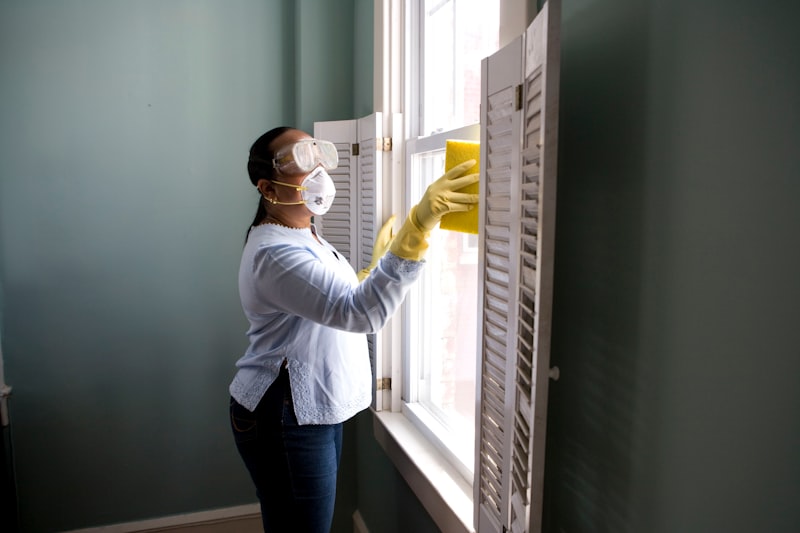
Condensation (ketsuro) is the other common trigger. Tokyo Gas explains window condensation mainly comes from temperature difference (inside vs outside) plus high indoor humidity—and that wiping it as soon as you notice helps reduce the impact. this means for renters: mold prevention is mostly ventilation + moisture control, not “buy more sprays.”
2) Apartment health: what mold changes in your daily life
Mold problems rarely start as a dramatic black patch on the wall. They start as air that feels heavy, a closet that smells “sweet,” or a bathroom that never fully dries.
Tokyo’s allergy guidance notes that mold spores can scatter and expand living areas quickly, and that spores and fungal parts can act as allergens. .metro.tokyo.lg.jp
So even if the visible mold is small, you still want to treat the cause (moisture) rather than just the symptom (the spot).
This is also why “silent areas” matter: behind a bed, inside an oshiire, under a futon, behind a washing machine. If air sits there, moisture sits there.
3) The simple routine that prevents most mold
You don’t need to turn your home into a lab. You need a boring routine that runs on autopilot.
A major rental housing company (Daiwa Living) recommends preventing mold and dust mites through sufficient ventilation and dehumidifier use. They also advise wiping condensation immediately and being careful not to turn off the “24-hour ventilation system.” .co.jp
Daily (5–10 minutes total)
- Open windows briefly (or ventilate actively if windows can’t open well)
- Run AC “dry” / dehumidifier when the air feels heavy
- Check windows in winter mornings and wipe condensation if present
After shower (2 minutes that saves you hours later)
Tokyo’s allergy guidance recommends washing away residue (soap, grime) because it becomes mold “food,” and wiping water droplets because moisture removal is effective. .metro.tokyo.lg.jp
So: rinse, cool down surfaces, wipe visible water, then vent.
“Mold food” is often everyday residue—soap scum, hair, and grime—so cleaning is part of prevention, not just cosmetics. .metro.tokyo.lg.jp
4) The top 6 “mold zones” (and what to do in each)
Mold doesn’t appear randomly. It appears where moisture + still air + residue overlap.
Here’s the practical map:
| Zone | Why it molds | The fix that works |
|---|---|---|
| Bathroom | Wet surfaces + residue | Rinse + wipe droplets + keep ventilation running .metro.tokyo.lg.jp |
| Windows | Condensation from temp + humidity | Wipe quickly; reduce room humidity |
| Oshiire / closets | Poor airflow traps humidity | Air it out weekly; avoid sealing damp items inside .metro.tokyo.lg.jp |
| Behind furniture | Air can’t circulate | Leave a small gap; don’t press everything flush |
| Under futon / bedding | Body moisture + trapped air | Air out regularly; don’t trap moisture |
| Laundry area | Indoor drying spikes humidity | Ventilate + dehumidify while drying |
Keep it simple: if it’s hidden and still, it’s a risk.
5) When to message management (and why timing matters)
This part saves deposits.
Mold can become a move-out dispute when it’s treated as “tenant negligence” (for example, leaving condensation and letting damage spread). Japan’s MLIT explains that move-out restoration cost responsibility can lead to disputes, and the guideline exists to help prevent trouble by setting general standards. .go.jpYour renter-safe rule:
If you see recurring condensation, a leak, or mold that returns quickly after cleaning—message the management company early. Not as a threat. As documentation and a request for inspection.
A practical “early message” protects you because it shows you didn’t ignore the issue. And if the cause is structural (ventilation failure, insulation issue, leak), you want it on record.
What to send (copy/paste)
- Where it is (room + wall/window/closet)
- When you noticed it
- What you already did (ventilated, wiped condensation, cleaned)
- Ask for inspection / advice and next steps
6) Quick checklist: your “mold-proof” baseline
Use this as your minimum standard. If you do this, you’ll avoid most problems.
- Ventilate daily (even briefly) .co.jp
- Control humidity with AC dry/dehumidifier when needed .co.jp
- Wipe condensation quickly (especially windows in winter)
- Keep bathroom clean of residue + wipe droplets .metro.tokyo.lg.jp
- Air closets/oshiire periodically .metro.tokyo.lg.jp
- Document recurring issues and notify management early .go.jp
Where Affarah helps
Mold is a “daily life” issue that can become a “money” issue at move-out.
Affarah helps you:
- set up a simple move-in checklist for humidity control
- spot high-risk layouts (poor airflow, tight closets, bad ventilation)
- keep documentation habits that reduce deposit disputes