Moving Out in Japan: How to Get Your Deposit Back
By Ibuki — Affarah Friendly Homes · 2025-11-05
Most people don’t lose their deposit because they trashed the place.
They lose it because they don’t know the rules, and they don’t control the move-out process.
In Japan, move-out deductions are supposed to match a simple idea:you pay for damage you caused beyond normal use.
Not for the building getting older. Not for “making it new.”
This post is your practical playbook. Save it for the month you move out.

1) The one rule that decides everything: “wear” vs “damage”
At move-out, the management company will often use the word 原状回復 (restoration). Many tenants hear that as “return it to brand-new.”
That’s not the point.
In practice, the argument is always:
- Was it normal wear and tear from living normally?
- Or was it tenant-caused damage (carelessness, misuse, neglect)?
If it’s normal wear, it’s typically treated as the landlord’s cost of doing business.
If it’s tenant-caused damage, you can be charged.
Japan has an official national guideline on move-out “restoration” costs, created to prevent disputes and clarify what’s typically fair between landlord and tenant. (It also includes checklists and example forms.)
2) Don’t wait until move-out day: build your “deposit defense file” now
The best time to protect your deposit is before you hand back the keys.
Your deposit defense file (10 minutes, huge payoff)
Create one folder (Google Drive is fine) with:
- A video walk-through of the whole unit (slow, steady)
- Close-up photos of:
- floors near doors and kitchen
- wall corners
- sink and stove area
- aircon and vents
- inside the fridge space
- Screenshots of:
- your original listing photos (if you have them)
- any “pre-existing damage” you reported when you moved in
- A simple timeline note:
- move-in date
- move-out notice date
- planned inspection date
This turns deposit negotiation from “he said / she said” into “here’s the condition, clearly.”
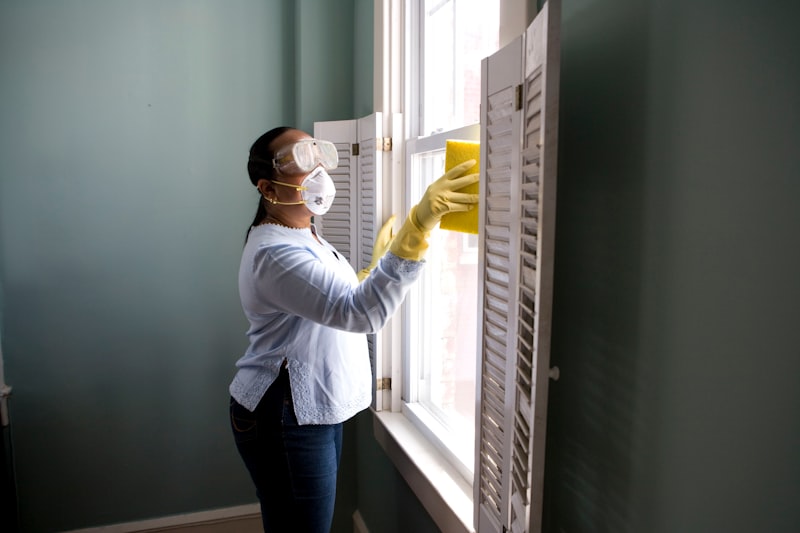
3) Cleaning: what’s worth doing (and what’s usually a trap)
A lot of people panic and pay for expensive cleaning right before moving out. Sometimes that helps. Often it’s wasted.
Here’s the smarter approach:
- Clean to “normal tidy,” not “hotel perfect.”
- Focus on the areas that trigger charges:
- kitchen oil/grease buildup
- bathroom mold
- heavy stains on floors
- aircon filters (basic cleaning)
- Keep it simple. A few hours of targeted cleaning often beats paying a company.
If your contract includes a clearly stated “cleaning fee,” you may still be charged.
But you can avoid extra deductions for neglect-level dirt.
The move-out fight is rarely about dust. It’s usually about scope: “Replace the whole thing” vs “repair the damaged part.”
4) The move-out inspection: be there, slow it down, get the details
If you do one thing right, do this: attend the inspection.
At the walkthrough:
- Don’t argue in the hallway.
- Don’t agree to charges verbally.
- Do ask calm, specific questions.
The 7 questions that save deposits
- “Can you show me where this is written in the contract?”
- “Is this normal wear or tenant-caused damage? Which category are you applying?”
- “Are you repairing a small section, or replacing the entire surface? Why?”
- “Can you provide an itemized estimate (line-by-line)?”
- “What is the depreciation / age adjustment being applied, if any?”
- “Can you mark the areas you’re charging for on a floor plan or photos?”
- “When will I receive the settlement statement, and when is the refund date?”
Quick table: what you can often challenge
| Issue | Usually fair | Often challengeable |
|---|---|---|
| Minor scuffs / normal fading | Landlord cost | Charging “full replacement” |
| Big stain from negligence | Tenant cost | Replacing unrelated areas |
| Small damage in one spot | Partial repair | Replacing entire wall/floor |
| Cleaning | As contract states | Extra “punishment” charges |
5) Settlement day: how to push back without burning bridges
When the settlement arrives, you’ll usually see a list of deductions and a final deposit refund amount.
If it feels wrong, don’t send an angry message. Send a structured request.
The “calm pushback” message (copy/paste)
Subject: Request for itemized breakdown and basis for deductions
Hello [Name],
Thank you for sending the move-out settlement.
Could you please provide:
- an itemized breakdown (materials/labor) for each deduction,
- photos that correspond to each charged item, and
- the contract clause or basis used to classify each item as tenant responsibility?
Once I review those details, I can respond promptly.
Thank you,
[Your Name]
This keeps you credible. Credibility gets better outcomes in Japan.
6) If it still doesn’t resolve: the escalation ladder (in order)
You have options that don’t require “going nuclear.”
Step 1: Consumer consultation (fast, low friction)
If you’re stuck, call Consumer Hotline “188” and ask where to consult locally.
Step 2: Local/Tokyo rental trouble guidance
Tokyo also publishes a rental-housing trouble-prevention guideline that includes deposit settlement and repair-cost principles, and points to how disputes are explained and handled.
Step 3: Mediation / small claims (if the amount is small)
If the dispute is about money (like deposit return), small claims in summary court can apply for claims up to 600,000 yen, and deposit return is explicitly listed as a type of dispute summary courts handle.
You usually don’t need to jump here. But it’s good to know it exists.
Where Affarah helps
Affarah is built to make deposit outcomes predictable.
We help you:
- understand what’s normal wear vs chargeable damage
- prepare your “deposit defense file” checklist
- write clean, calm pushback messages that management companies actually respond to
- track move-out timelines so you don’t miss notice periods